Case study · 2025
Getting a design system back in sync
An audit of 62 components across Figma, React, and Flutter, followed by changes to the Figma libraries, variables, themes, and migration guidance.
Read the case studyExamples from my design systems work: aligning component behavior across platforms, updating system foundations, documenting decisions, and guiding teams through library changes.
Case study · 2025
An audit of 62 components across Figma, React, and Flutter, followed by changes to the Figma libraries, variables, themes, and migration guidance.
Read the case studyReflection · Published on Substack
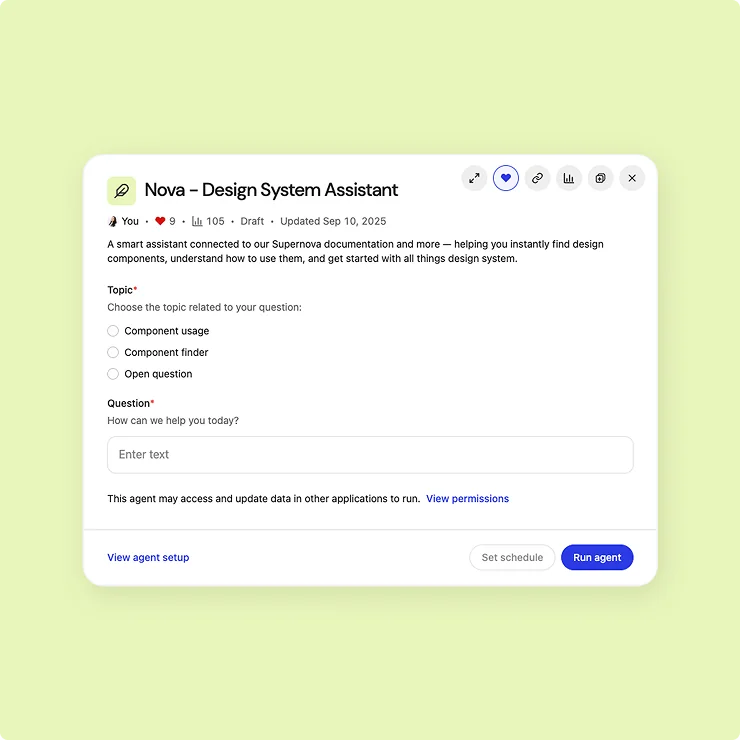
A look back at a year of library changes, pattern documentation, support tracking, and day-to-day work with product designers.
Read the reflectionWriting polished unfiltered about design systems and AI.

A starting point for improving how AI works with an existing system, without beginning with a complete rebuild.
Read on Substack
Repeated primary buttons, competing colors, and the wrong default background. What those examples revealed about decisions missing from the documentation.
Read on Substack
The process of creating a first command and skill, and figuring out where AI could help with day-to-day design systems work.
Read on SubstackI’ve been in design for 15+ years and somewhere along the way became the person who gets excited about taking messy, complex things and making them work.
For a long time, that’s meant design systems, where I found my passion.
Now that AI is in the picture, there’s a whole new set of questions to work through. I’m exploring them here and writing about the wins, the awkward moments, and the “well, that didn’t work” parts at Design Systems Unfiltered.
Brazilian, based in Germany, remote-first.
Hey, I’m Érica. Brazilian, based in Germany, remote-first, with 15+ years in design.
Most of that time has gone into design systems: component audits, Figma libraries, tokens, documentation, and helping teams through migrations. Now I’m exploring what changes when AI starts using them too.
More about me ↗Two places to start:
Components and tokens are part of it. So are the rules for using them, the differences between implementations, and the steps for moving to a new version.
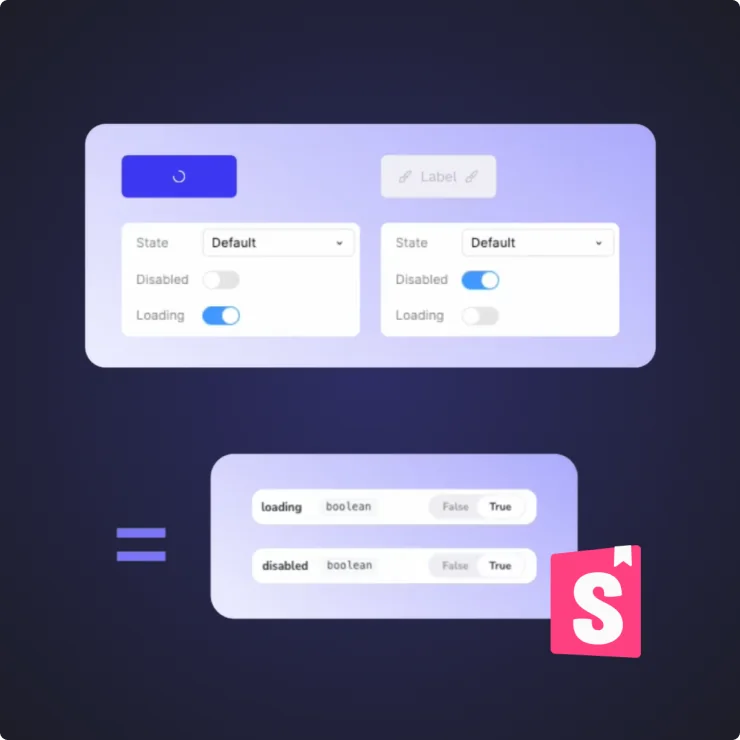
One example: Disabled and Loading were values of a Figma State property, while the coded component treated them as separate booleans. So the Figma component changed to match.
See the example ↗What does AI need beyond tokens and components? How much guidance is enough? Where do busy teams start? What comes after “AI-ready”?
Here’s where I stand so far. Subject to change… things move SO fast.
Explore the questions ↗Design Systems Unfiltered is my Substack about design systems and AI: the wins, the awkward moments, and the “well, that didn’t work” parts.
Read on Substack ↗Have a design systems role or project in mind? Email me with some context and what you need help with. I’m based in Germany and work remotely.
Choose a command or type its name: whoami, work, systems, experiments, unfiltered, hire, contact, help.